
The Growing Challenges of Unsold Fashion Stock

Across the fashion and apparel sector, brands are facing a growing challenge around the management of unsold inventory.
Overproduction, seasonal buying cycles, customer returns and quality control failures can all leave organisations with large volumes of garments that cannot be sold through traditional retail channels. These materials often include:
- Excess seasonal stock
- Customer returns that cannot be resold in existing markets
- Quality control failures from manufacturing
- Cancelled wholesale orders
- Overstock from discontinued product lines
- Promotional merchandise or branded apparel
- Pre and Post Consumer Textiles
For brands operating at scale, these items quickly accumulate into thousands or even millions of garments. Increasing public scrutiny, investor expectations and new regulatory frameworks are pushing brands to demonstrate responsible solutions for excess stock.
New Regulations
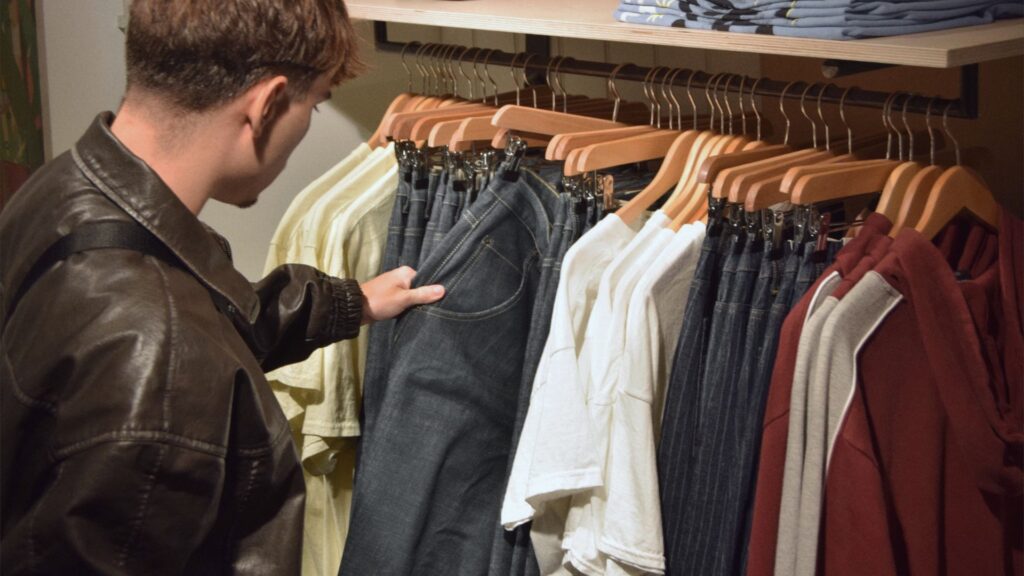
Across Europe, legislation is beginning to address the issue of destroying unsold consumer goods. Under the EU Ecodesign for Sustainable Products Regulation (ESPR), the destruction of unsold textiles and footwear is being restricted, with reporting requirements introduced for many companies.
The intention is clear. Governments are encouraging brands to move away from waste disposal and towards reuse, recycling and responsible redistribution.
For many fashion companies, this creates an urgent operational question: What is the responsible route for managing excess clothing and footwear inventory?
This is where specialist textile partners like Roberts Recycling become essential to the circular process.
Why Brands Need a Specialist Textile reuse Partner
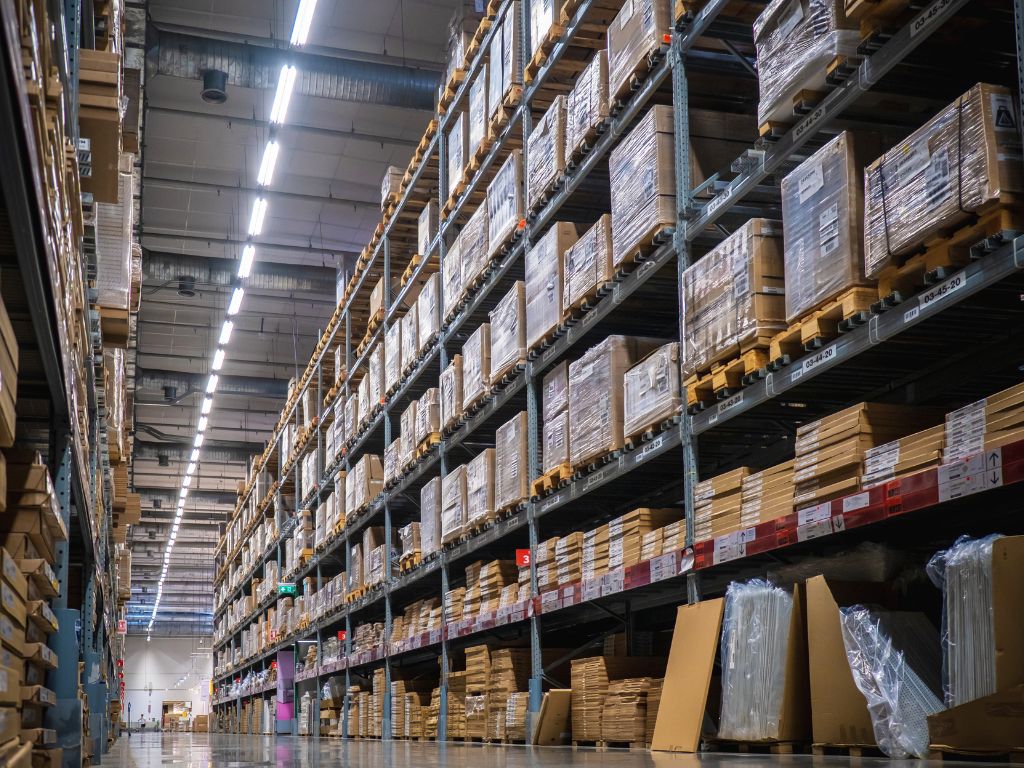
Fashion brands require a partner who understand both the commercial sensitivity and environmental responsibility involved in managing unsold stock, along with the specialist team of skilled operators and end market access.
Without proper control, products can reappear in unintended markets, appear online through unauthorised resellers or damage brand positioning.
As a responsible textiles reuse partner, Roberts Recycling partner with hundreds of the world’s leading fashion brands as a plug in solution for immediate issues. This requires infrastructure, global export networks and specialist industry knowledge.
Roberts Recycling: Supporting Brands with Circular Textile Solutions
Roberts Recycling is one of the UK’s leading textile recycling and reuse specialists, working with fashion brands, retailers and manufacturers to responsibly manage excess inventory, customer returns and take back schemes.
From our specialist headquarters facility in Cheshire, UK we process vast volumes of textiles on behalf of partner brands across the UK and Europe, diverting around 50 million clothing items from landfill with recent calculations that are continuously growing.

Our international operations support brands with:
- Excess inventory, including all adults and children clothing and footwear – https://www.robertsrecycling.co.uk/solutions/
- Customer returns, online and in-store – https://www.robertsrecycling.co.uk/solution/customer-returns-qc-failure/
- QC failure garments
- Customer Takeback Schemes – https://www.robertsrecycling.co.uk/solution/retail-take-back-schemes/
- Discontinued product lines
- Branded merchandise and apparel – https://www.robertsrecycling.co.uk/solution/secure-textile-destruction/
- Corporate uniforms, PPE and workwear secure disposal – https://www.robertsrecycling.co.uk/solution/uniform-workwear-recycling/
- Stock clearances / Overstock recovery – https://www.robertsrecycling.co.uk/solution/overstock-recovery/
- Finding end markets for reusable goods
By working with an established textile recycling partner, brands can ensure garments remain within controlled and responsible export.
Responsible End Markets for Fashion Textiles

Global Reuse
A specialist textile partner must assess each product category and determine the most responsible route based on quality, branding and material composition.
These routes may include Global Reuse Markets, where garments are suitable for continued use, redistributed through established international reuse networks.
This keeps clothing in circulation while preventing resale conflicts within the brand’s core markets.
Material Recycling
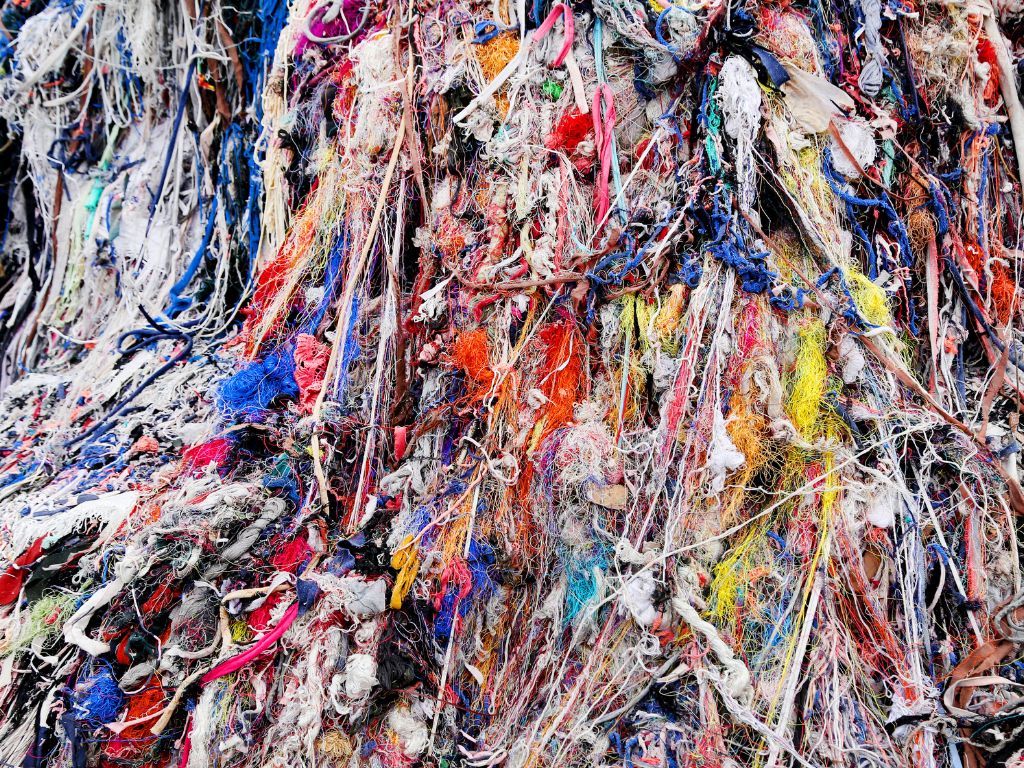
When garments cannot be reused, textiles by Roberts Recycling can be processed into secondary materials used across a range of industries, including:
- Industrial wiping cloths
- Insulation materials
- Fibre to fibre recovery
Textiles-To-MDF
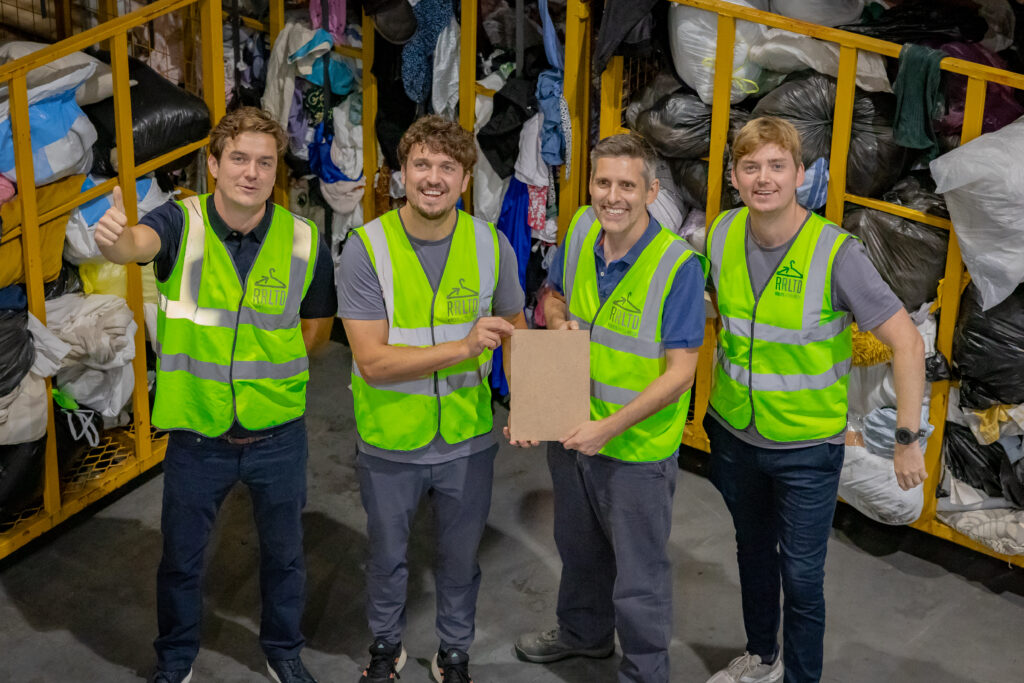
Roberts Recycling and Fab Materials have advanced the next major milestone in their textiles-to-MDF innovation partnership. The project has progressed to pilot production with physical MDF-style boards successfully manufactured using fibre made from 30% non-rewearable textile waste to replace a proportion of virgin timber.
The pilot involved hands-on testing within a live production environment, assessing material behaviour, performance and real-world application potential.
Roberts Recycling partnership with Fab Materials is built on a shared belief in creating a long-term ethical, sustainable pathway for fashion brands and manufacturers seeking sustainable and innovative solutions for fashion waste or low-grade textiles.
Find out more at: https://www.robertsrecycling.co.uk/partnership-transforms-textiles-to-mdf/
Traceability and Transparency for Brands
For sustainability managers and compliance teams, visibility over the end destination of garments is essential. Roberts Recycling provides detailed reporting to brand partners covering:
- Volumes processed
- Reuse and recycling percentages
- End-market destinations
- Environmental diversion data
This level of transparency helps brands demonstrate responsible inventory management and supports wider sustainability, ESG and impact reporting.
Protecting Brand Integrity
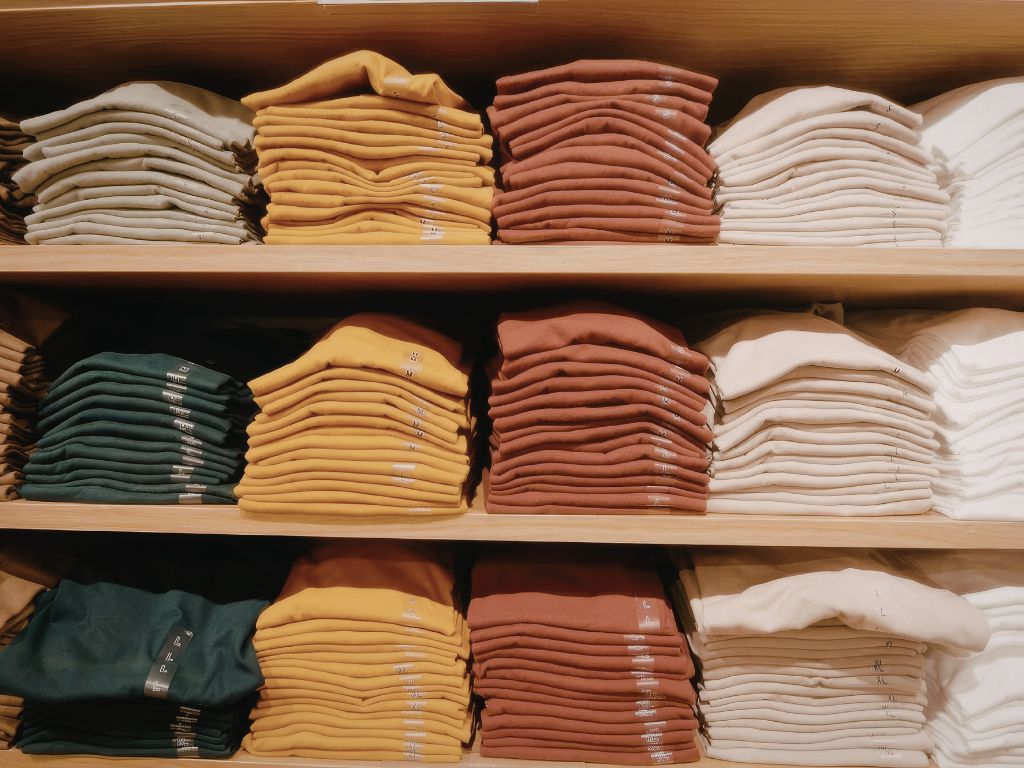
Managing excess stock is not just a sustainability issue. It is also a brand protection issue.
Uncontrolled disposal routes can allow garments to enter unauthorised resale markets or online platforms, creating reputational and commercial risk.
This includes resale in the UK, and markets brands already operate within at discounted or slashed clearance prices.
By working with a specialist textile partner, brands maintain control over how products leave their supply chain. This ensures garments are handled responsibly, securely and in line with the brand’s sustainability commitments.
A Circular Future for Fashion

The fashion industry is entering a period of significant change. New regulations, sustainability expectations and investor scrutiny are reshaping how brands manage the full lifecycle of their products.
Excess inventory is no longer simply a logistics challenge, but a key part of the transition towards a circular fashion system.
By working with an experienced UK based textile recycling and reuse specialist partner, brands can transform surplus stock from a liability into a responsible circular solution.