
The Growing Challenge of End-of-Life Textiles

Across fashion, retail, manufacturing and corporate sectors, organisations generate significant volumes of textiles that cannot be reused or resold. These materials often arise through normal operational processes, including:
- Uniform changes or corporate rebrands
- Manufacturing quality control failures
- Customer returns unfit for resale
- Branded promotional clothing and event merchandise
- PPE and regulated workwear
- Counterfeit or seized goods
- Garments containing sensitive branding or intellectual property
Textiles can create serious risks for organisations. Items that leave the control of a brand may find their way into unauthorised resale channels or secondary markets, where logos, designs and brand identities remain visible.
This can undermine brand value, create reputational challenges and, in some cases, lead to legal or compliance concerns. For many organisations, the scale of this issue only becomes clear once products begin appearing in places they were never intended to be.
Why Brand Protection Matters in Textile Recycling
Responsible textile recycling is not only about waste management. It also plays a critical role in protecting intellectual property, brand identity and product integrity.
Businesses must ensure that sensitive garments are removed from circulation securely while still managing materials in a responsible and environmentally conscious way.
Without a controlled recycling or destruction process, garments that should never be resold may reappear in markets where brands have no visibility or control.
At the same time, businesses are increasingly expected to demonstrate how these materials are managed through internal sustainability reporting and wider ESG commitments.
Supporting Organisations with ethical Textile recycling Solutions

Roberts Recycling works with hundreds of organisations across the UK and internationally to manage end-of-life textiles securely and responsibly through our zero-to-landfill policy and brand protection services.
Our secure recycling processes are designed to ensure sensitive garments are permanently removed from circulation while maintaining full transparency and traceability.
We support organisations with reporting and documentation that can contribute to compliance and sustainability frameworks, including:
- Secure destruction certification
- Detailed reporting on textile volumes processed
- Traceability
- Environmental reporting aligned with sustainability objectives
This level of transparency helps organisations demonstrate that materials are handled responsibly while protecting brand integrity.
Situations Where Secure Textile Processing is Essential
Many organisations only consider secure textile destruction once a problem occurs. However, there are several common scenarios where brands should proactively plan for responsible end-of-life management.
Corporate Uniform ChangeS AND REBRANDS
When organisations introduce new branding or update uniform programmes, existing garments quickly become obsolete.
Without a secure recycling solution in place, these items may remain in circulation long after a brand has moved on from that identity.
Providing employees with a clear route to return uniforms once they reach the end of their life also supports responsible disposal and prevents garments from entering general waste streams.
Manufacturing and Quality Control Failures

Production issues such as labelling errors, manufacturing defects or failed samples can leave brands with large quantities of garments that cannot legally be sold.
In many cases, these products cannot enter the market due to regulatory compliance requirements relating to labelling, product safety or material composition.
Secure textile processing ensures these items are permanently removed from circulation while still being managed through responsible recycling routes.
Retail Returns and Unsold Inventory
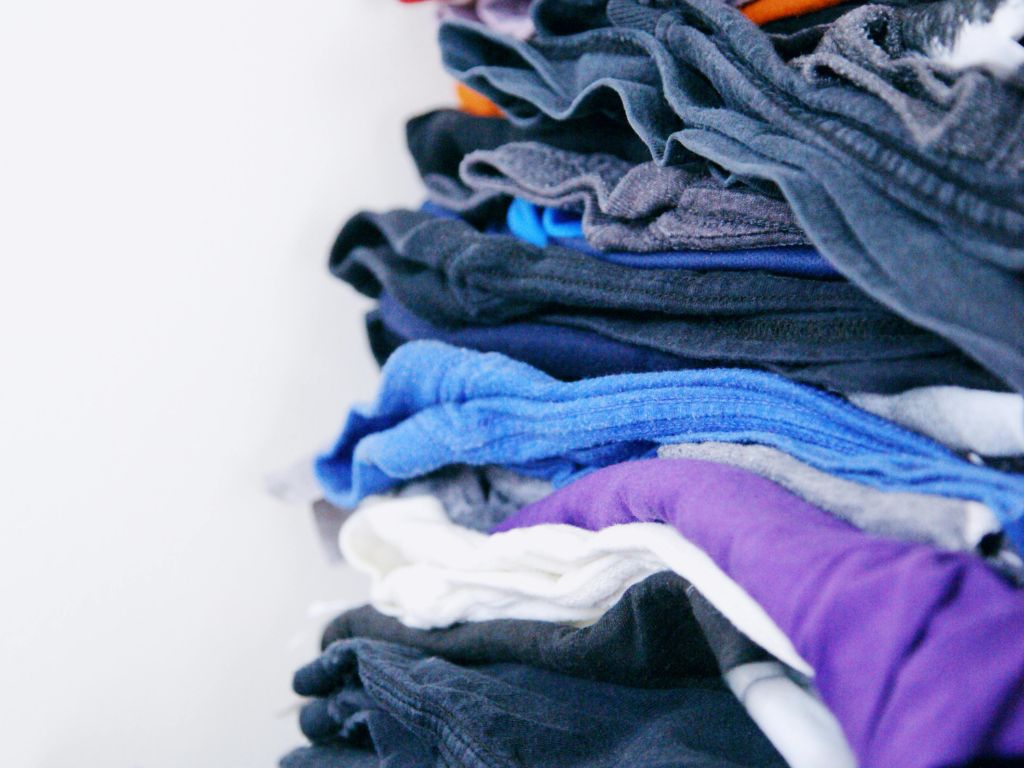
Retailers and e-commerce brands face increasing volumes of returned goods that cannot be resold due to damage, wear or missing labels.
These garments still carry brand identity and must be handled carefully to prevent unauthorised resale.
Where clothing remains suitable for reuse, Roberts Recycling works with trusted global partners to extend the life of garments through established second-hand markets in regions where brands do not operate.
Items unsuitable for reuse are securely processed and recycled through responsible material recovery systems.
Counterfeit and Seized Goods

Counterfeit clothing and seized goods represent another important category of textiles requiring secure disposal.
These products may be removed from circulation by brand protection teams, law enforcement agencies, border authorities or trading standards organisations.
Proper destruction ensures counterfeit goods cannot re-enter the marketplace while still ensuring materials are managed responsibly.
PPE and Specialist Workwear
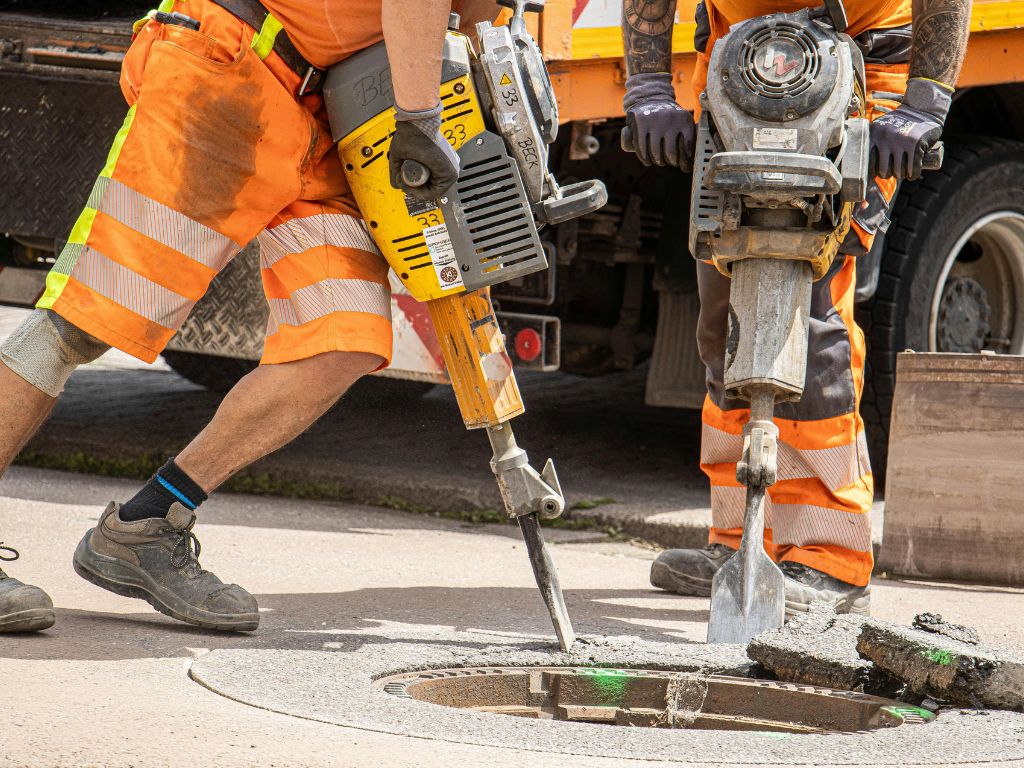
Certain textiles require specialist handling due to safety considerations, contamination risks or regulatory requirements.
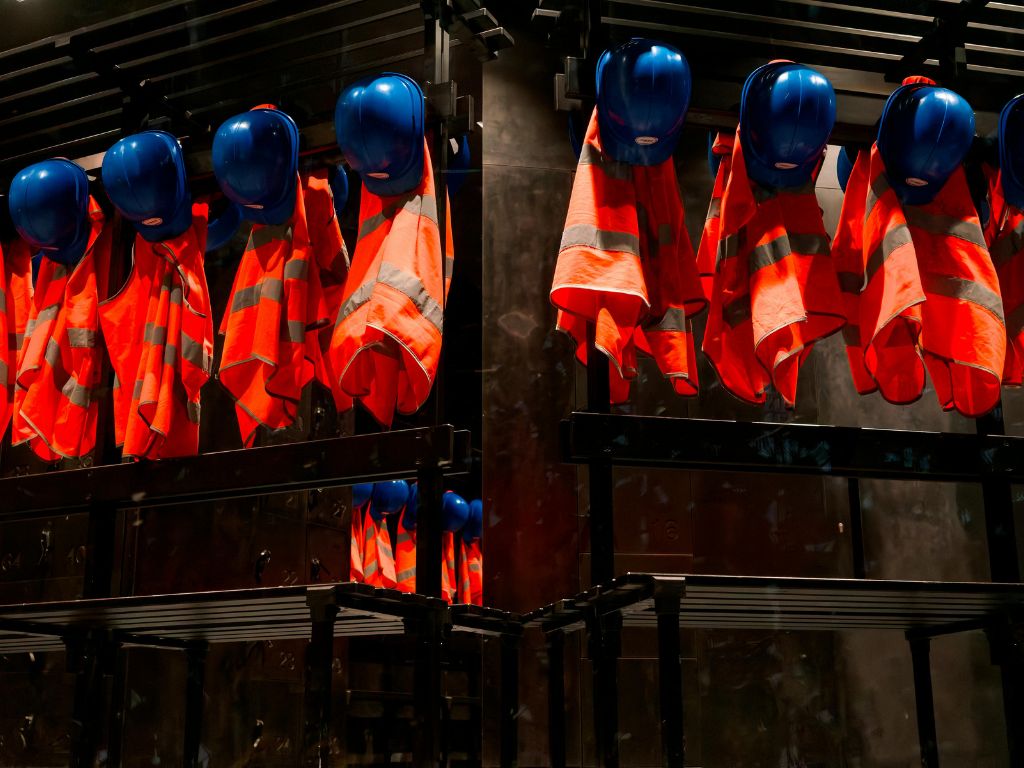
Workwear, high-visibility garments and PPE often contain branding or regulated components that must be removed from circulation securely.
Roberts Recycling works with organisations across a wide range of sectors to ensure these materials are processed responsibly while maintaining compliance and protecting brand identity.
Balancing Brand Protection and Sustainability
Today, advances in textile processing allow organisations to balance brand protection with responsible resource management. Where garments cannot be reused, materials can still be processed through environmentally responsible systems such as:
- Secure textile shredding
- Fibre to fibre recovery and recycling
- Repurposing materials into industrial applications
- Energy recovery within approved industrial processes
These routes ensure textiles are removed from circulation without being sent to landfill. For organisations working towards circular economy goals and ESG commitments, this approach provides a responsible solution for garments that cannot remain within reuse markets.
Roberts Recycling prioritises the textile hierarchy. Garments suitable for reuse are kept in circulation through established second-hand markets, helping extend the life of clothing and reduce environmental impact.
Responsible Textile reuse and recycling partnerships for Modern Businesses
As sustainability expectations grow and regulations evolve, organisations are under increasing pressure to demonstrate responsible management of textile products throughout their lifecycle.
Secure recycling and destruction processes play a key role in ensuring sensitive garments are handled correctly while protecting brand reputation and supporting sustainability commitments.
For organisations requiring specialist solutions for sensitive garments, Roberts Recycling provides dedicated secure textile destruction services for uniforms, QC failures, counterfeit goods and regulated workwear. We work with organisations to develop tailored solutions that combine brand protection, responsible recycling and full transparency across textile processing.