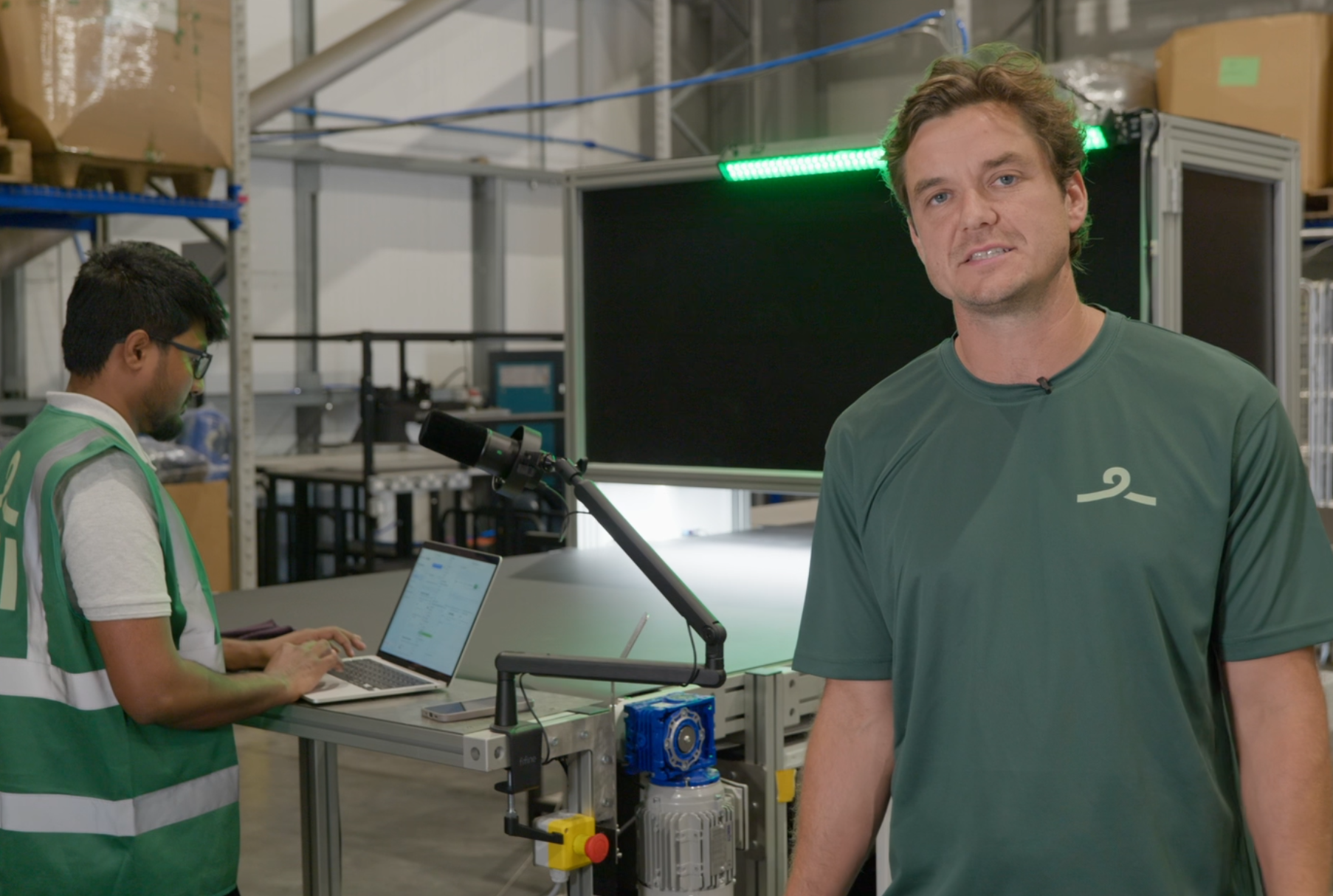
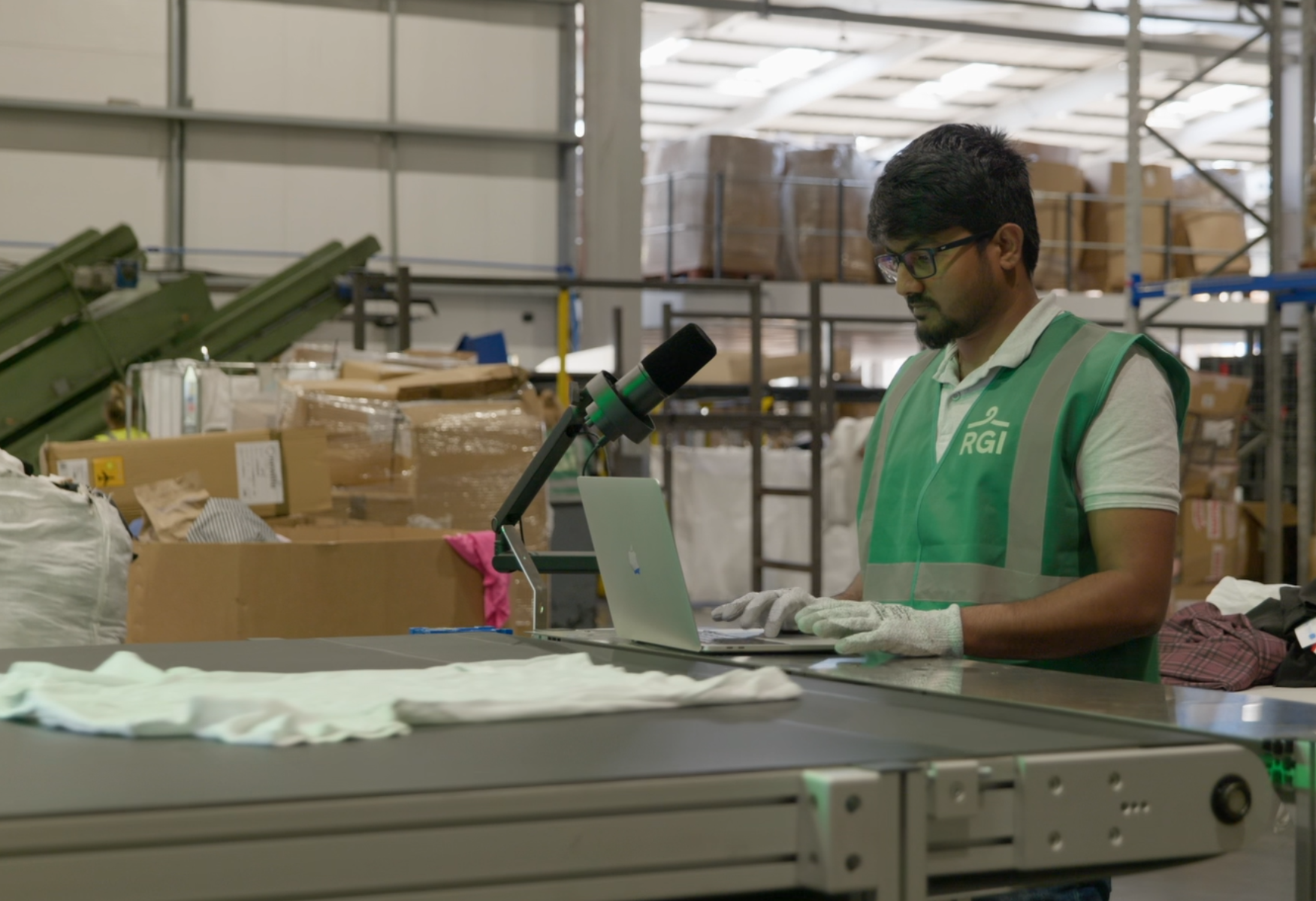
Roberts Group International (RGI) has taken another major step in advancing textile circularity with the introduction of new AI-powered sorting technology at its Halebank headquarters.
The investment forms part of the company’s long-term commitment to developing smarter, more transparent and more efficient solutions for the textile reuse and recycling sector.
For over a decade, RGI has closely followed the evolution of automated textile sorting.
When the company acquired its Cheshire facility, part of the site was intentionally reserved for technologies capable of transforming how textiles are identified, sorted and processed.
Now, following extensive research and evaluation, RGI believes the latest generation of AI technology has the potential to play a significant role in the future of the industry.
While several features will remain under evaluation during the pilot phase, the technology already demonstrates exciting opportunities across multiple areas of the circular economy.
Smarter decisions through AI
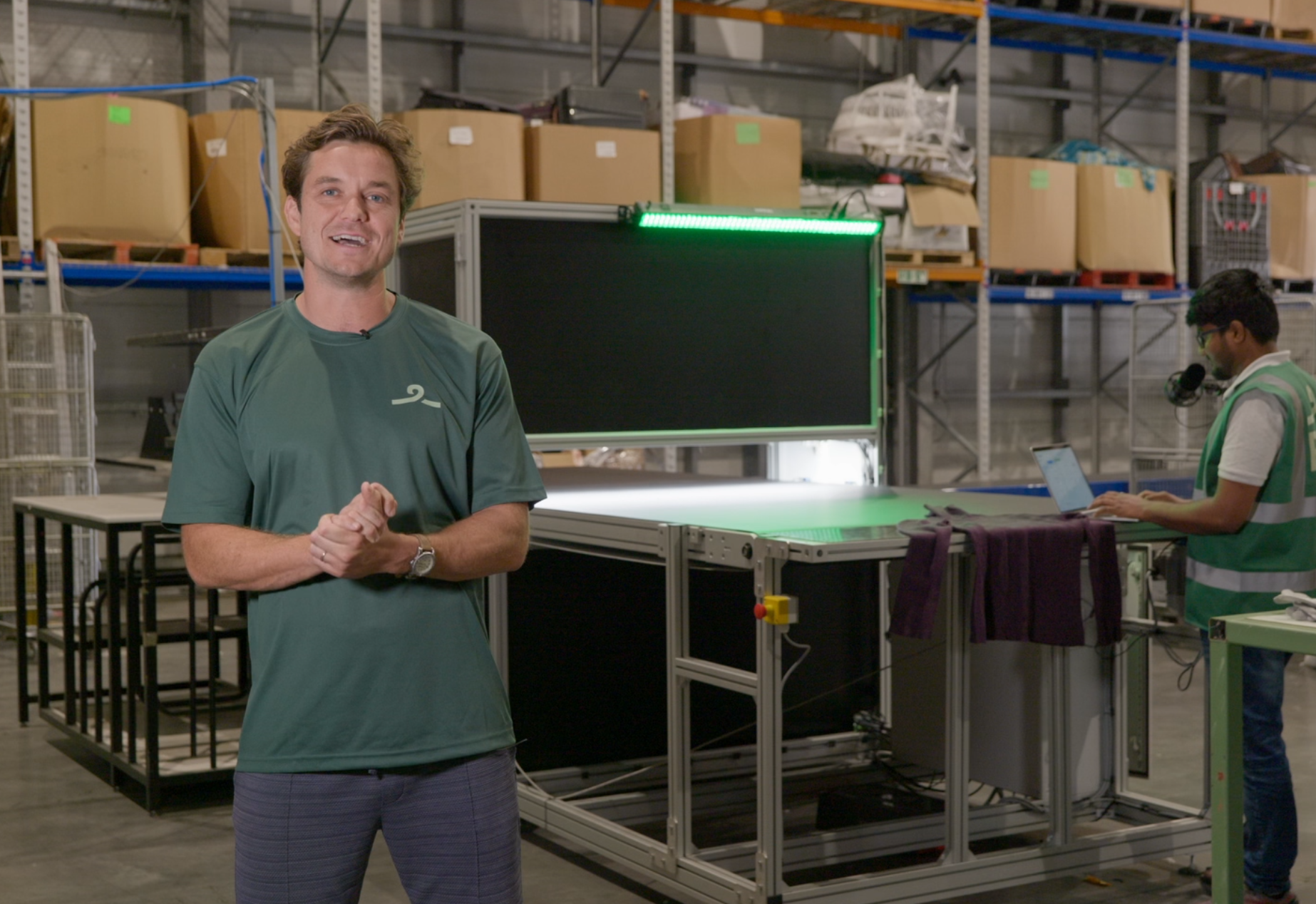
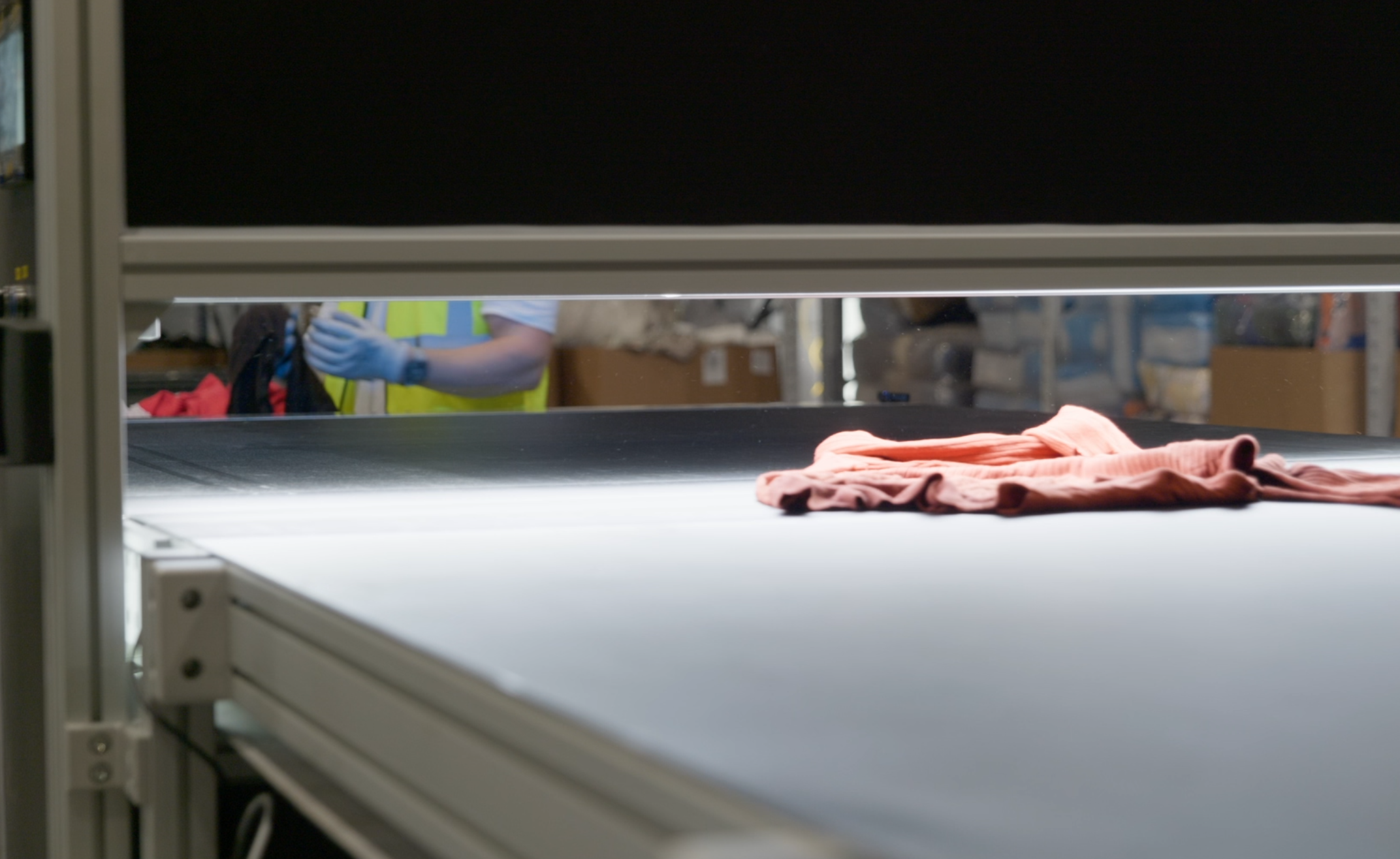
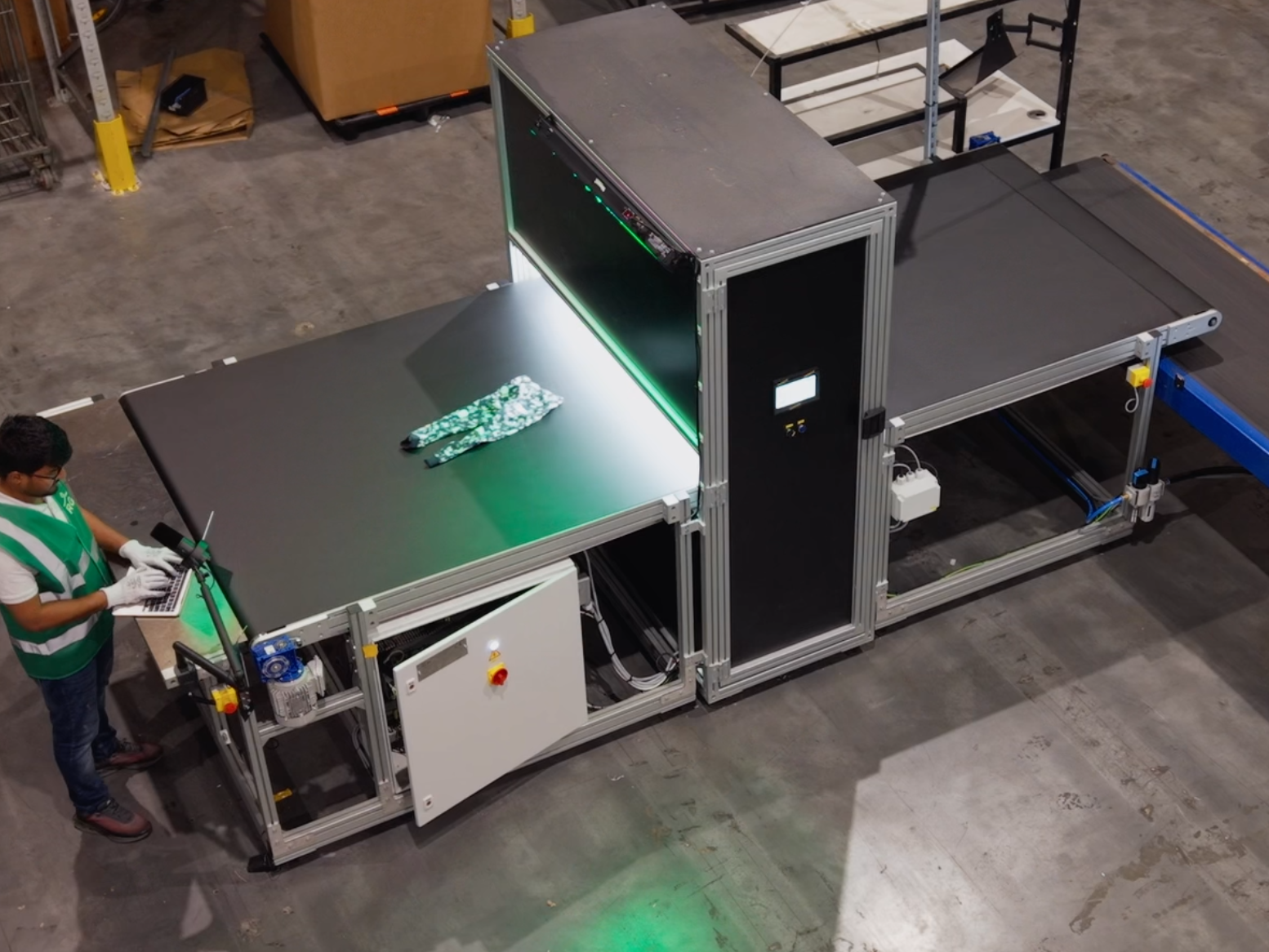
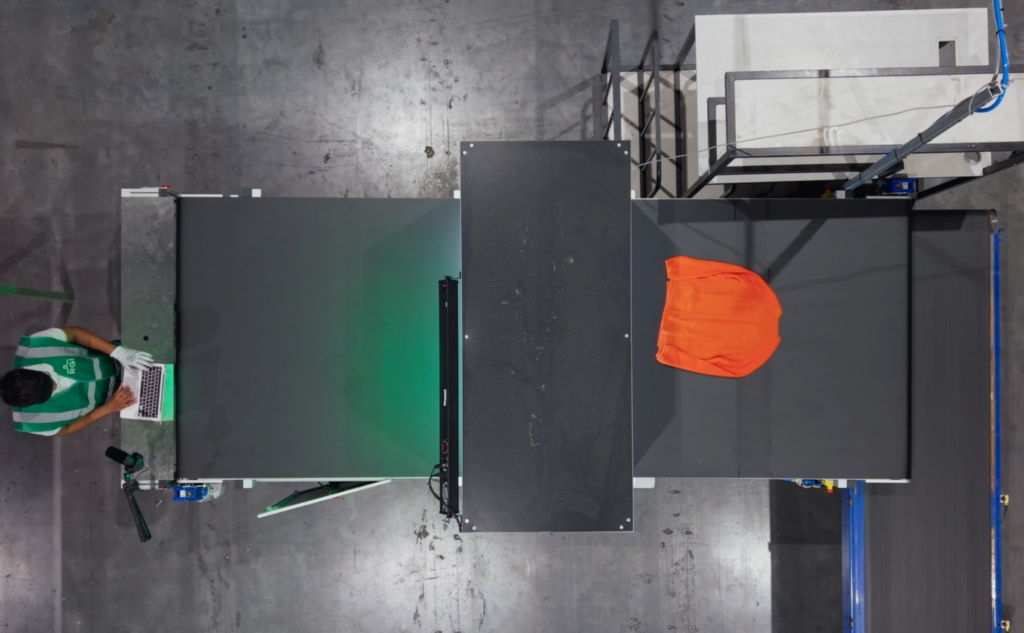
Unlike traditional sorting systems, the AI platform analyses garments using advanced recognition technology to identify material composition, product characteristics and potential disruptors that influence the most appropriate next destination for each item.
Rather than viewing textiles through a single recycling route, the system supports more intelligent decision-making, helping maximise reuse opportunities while improving outcomes for non-rewearable textiles.
Supporting the future of fibre-to-fibre recycling
As fibre-to-fibre recycling continues to develop across the UK and internationally, accurate material identification will become increasingly important.
The new technology combines near-infrared (NIR) capabilities with AI-driven analysis, helping identify textiles suitable for different recycling pathways and supporting the wider transition towards circular textile systems.
Delivering greater transparency
One of the most exciting capabilities of the technology is the level of reporting it can generate.
For brand and retail partners, this means unprecedented visibility into what happens to products after they leave their supply chain, providing detailed data on sorting outcomes and material destinations that has previously been difficult to achieve at scale.
Ready for tomorrow
The platform has also been designed with future developments in mind, including the potential adoption of Digital Product Passports and RFID-enabled product identification.
As these technologies become more widely adopted, the system is capable of supporting greater traceability and richer product information throughout the circular economy.
John Roberts, Director of Circularity & Innovation at Roberts Group International, said:
“We’re incredibly excited about what this technology could mean for our industry.
While we’re still in the pilot stage, we’re already seeing capabilities that have the potential to transform how textiles are sorted, understood and managed.
We look forward to working alongside brands and retailers to explore what’s possible together.”
Collaboration opportunities
RGI is now entering the pilot phase and is inviting brands and retailers to help shape the future of textile sorting.
Businesses interested in understanding more about their customer returns, excess stock or end-of-life textiles are encouraged to visit our HQ, see the technology in action and explore how AI can support more informed sustainability decisions.